Equipment Performance Review
Benchmark testing and thermal analysis for individual miner models, with a written report on expected service intervals.
We review mining equipment at 0.05 PH/s and above, then map maintenance windows that cost you the least hashrate. No guesswork — just schedules tied to your actual fleet and power contract.
Request a Window Audit See the Process
Every unit we review is rated at 0.05 PH/s minimum. We focus on how long it takes to service, what parts wear first, and where downtime hits hardest against your tariff hours.
Benchmark testing and thermal analysis for individual miner models, with a written report on expected service intervals.

A full-site review of your fleet that produces a ranked maintenance calendar tied to your electricity tariff and unit failure history.
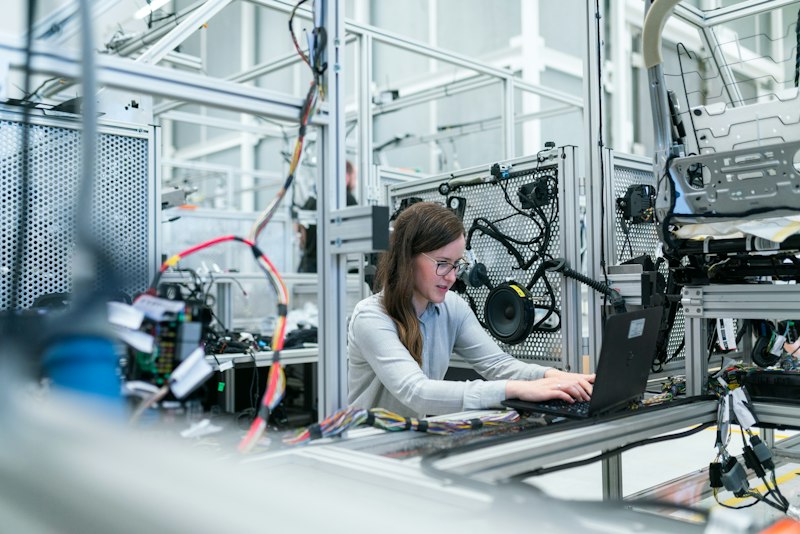
We schedule and supervise filter changes, dust removal, and airflow checks during your designated low-rate electricity windows.
Operators across Gyeongsang and beyond share what happened when they aligned service calls with off-peak hours.
Our Antminer S19 fleet was losing roughly 14 hours a month to unplanned fan swaps. Portalcypresscore mapped a four-hour window every third Sunday and cut that to under five hours total. The report was blunt about which units would fail next — and they were right about two of them.
— Min-jun Park, 120-unit facility, Gimhae
The audit took longer than quoted because our cabling was a mess, which they flagged honestly. Still worth it — we rescheduled two major cleanings and saved about ₩400,000 in peak-rate electricity that month.
— Hye-jin Oh, small-scale operator, Changwon
Practical writing on fan curves, hashboard swaps, and the arithmetic of downtime.

Salt-laden air in Gyeongsang coastal facilities corrodes fan bearings faster than inland sites. Here is what we measure and how to schedule replacements.
A worked example using a 64-unit fleet, KEPCO time-of-use rates, and an unplanned hashboard swap at the wrong hour.